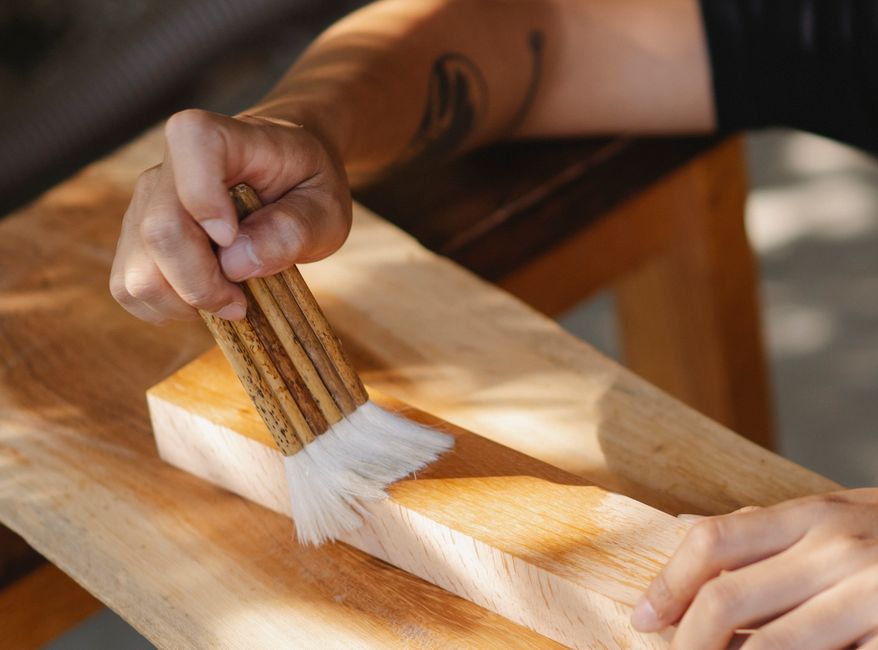
Choosing the Right Hardwood for Your First Project
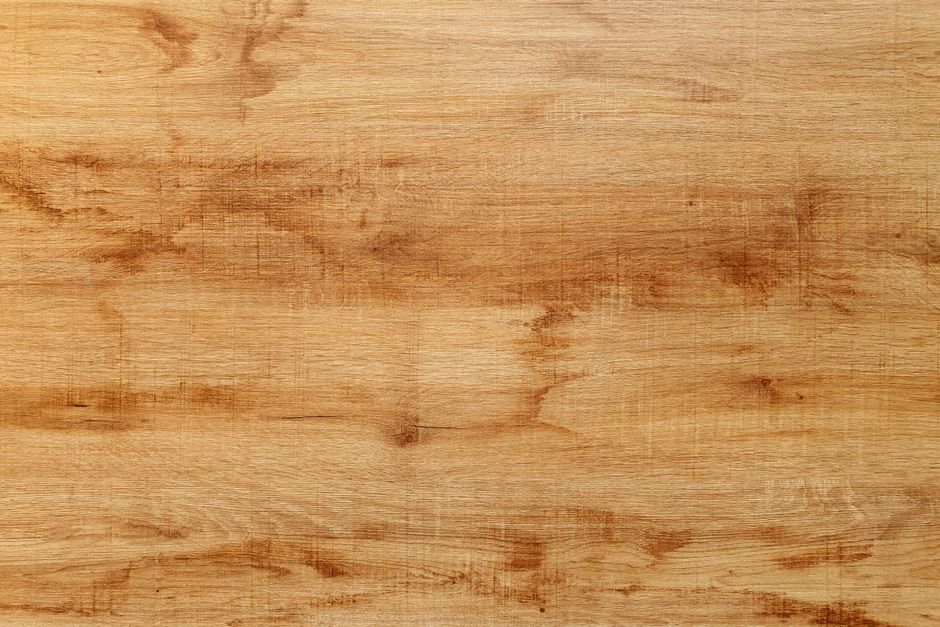
Embarking on your first woodworking project is an exciting step, and one of the most important decisions you will make is choosing the right hardwood. The wood you select influences not only the appearance of your finished piece but also how it responds to tools, finishes, and the test of time. With a wide array of options available, each with unique characteristics, understanding the differences can help you make an informed choice that aligns with your skill level and budget.
This guide aims to provide a clear comparison of three popular hardwoods—oak, maple, and walnut—while also considering other factors that play a role in selection. Whether you are building a simple shelf, a coffee table, or a custom piece, the information here will help you navigate the complexities of hardwood selection. By the end, you will have a solid foundation to choose a wood that suits your project goals and your personal preferences.
Understanding Hardwood Characteristics
Hardwoods come from deciduous trees, which lose their leaves annually. They are generally denser and more durable than softwoods, making them suitable for a variety of projects. When comparing hardwoods, several key characteristics come into play: hardness, grain pattern, color, workability, and cost. Each of these aspects affects the final outcome and the ease of working with the material.
Hardness is often measured using the Janka scale, which indicates resistance to dents and wear. For example, maple is notably harder than oak or walnut, making it a durable choice for surfaces that see heavy use. Grain pattern refers to the visual texture on the surface, which is influenced by how the tree grows and how it is cut. Oak typically features pronounced, open grain, while maple has a subtle, fine grain, and walnut offers a straight, consistent grain with occasional curls.
Color varies significantly among hardwoods. Oak ranges from light to medium brown, often with a pinkish or grayish tint. Maple is creamy white to light reddish-brown, sometimes with a subtle brown heartwood. Walnut is renowned for its rich, dark chocolate brown, often with light sapwood that adds contrast. Workability relates to how easily the wood can be cut, shaped, and sanded. Softer hardwoods like walnut are generally easier to work with hand tools, while harder woods like maple can be more challenging but yield excellent results with the right techniques.
Cost is another practical consideration. Walnut is typically the most expensive due to its desirability and slower growth, followed by maple, which offers a balance of affordability and durability. Oak, especially red oak, is often the most budget-friendly option, making it a popular choice for many projects.
Oak: The Classic Choice
Oak is a quintessential hardwood, widely used in furniture and cabinetry for centuries. There are two main types: red oak and white oak. Red oak is slightly more porous and has a more pronounced grain, while white oak is denser and more moisture-resistant, with a tighter grain. For a first project, red oak is often a practical start due to its availability and lower cost.
Working with oak requires a bit of patience. Its open grain can sometimes lead to tear-out when planing, so sharp blades and proper technique are essential. Sanding to a smooth finish can be achieved with progressively finer grits, but it is important to use a sanding sealer before applying a finish to avoid a blotchy appearance. Oak takes stains well and can be finished with oils, lacquers, or varnishes.
From a design perspective, oak’s prominent grain adds texture and character to any piece. It offers a warm, traditional look that fits well in rustic or classic interiors. For your first project, oak provides a good balance of cost and durability, allowing you to practice joinery and finishing without investing too heavily.
Maple: The Durable Workhorse
Maple is a hardwood known for its exceptional density and resistance to wear. It comes in two primary types: hard maple (or sugar maple) and soft maple (such as red or silver maple). Hard maple is often used for bowling alleys and cutting boards due to its toughness, while soft maple is easier to work with and is a common choice for furniture.
When working with maple, be prepared for a dense wood that requires sharp tools. It cuts cleanly but can burn easily if your blades are dull or you apply too much pressure. Sanding maple yields a very smooth surface, but it can also show scratch marks, so meticulous sanding with fine grits is necessary. Maple finishes well with clear coats, which highlight its natural luster, but it tends to blotch when stained directly. Using a conditioner before staining can help achieve an even tone.
Maple’s light, uniform color is prized for contemporary designs and can brighten a room. It is an excellent choice for projects that will see heavy use, such as tabletops or desk surfaces. Although it may be slightly more expensive than oak, its durability justifies the cost for many woodworkers.
Walnut: The Premium Option
Walnut stands out with its rich, dark color and luxurious appearance. It is a softer hardwood, which makes it more forgiving during machining and hand tool work. This characteristic is especially beneficial for beginners, as it reduces the risk of mistakes and allows for easier shaping and sanding.
Walnut is also dimensionally stable, meaning it is less likely to warp or shrink significantly, which simplifies joinery. It sands to a fine, smooth surface, and its natural oils provide a bit of lubrication during cutting. However, these oils can interfere with some finishes, so it is advisable to use a wood conditioner or a finish designed for oily woods.
The cost of walnut is considerably higher than oak or maple, reflecting its beauty and relative scarcity. For a first project, walnut can be a wise investment if you want a piece that will be a centerpiece. Its deep brown color, often with streaks of chocolate and amber, gives any item an elegant feel that is timeless.
Other Factors in Wood Selection
Beyond the specific species, several other factors influence the choice of hardwood for your project. The origin of the wood matters both ecologically and financially. Imported hardwoods, such as mahogany or teak, are not only more expensive but also come with sustainability concerns. Local hardwoods, on the other hand, offer a more eco-friendly and often budget-conscious alternative.
Grading is another consideration. Hardwood is typically graded by appearance, with higher grades like FAS or Select offering more clear wood with fewer defects, and lower grades like #1 Common or #2 Common allowing smaller pieces and more imperfections. For your first project, a lower grade might be sufficient, especially if you are comfortable with knotty or rustic characteristics, and it can save you money.
When comparing options, it is also useful to reflect on the intended use of the final piece. A item that will be subjected to moisture, such as a kitchen cutting board, might call for a wood with higher natural resistance, like white oak or maple. For decorative pieces, the aesthetic qualities of the wood can take precedence over durability.
The availability of wood at local lumberyards can also vary. Some places may have a limited selection, while others offer a wide range. It is wise to visit a supplier and inspect the wood in person, feeling its weight, texture, and visible characteristics. This hands-on examination can be invaluable in making a decision.
Balancing Skills, Budget, and Project Goals
As a beginner, your primary goal is to enjoy the process and learn new skills. Therefore, choosing a wood that is pleasant to work with is key. Walnut offers the easiest working experience due to its softness, while oak and maple require more effort but can be mastered with practice. Consider your existing tools: if you have a limited set, a softer wood may be more compatible.
Budget is also a decisive factor. If you are on a tight budget, oak provides an affordable entry point without compromising on quality. Maple, while a bit pricier, is still within reach for many. Walnut, being the most expensive, might be reserved for smaller projects or special pieces. Remember that the cost of wood is only part of the total expense; finishing products and tools also contribute.
Ultimately, the right hardwood for your first project is one that you are excited to work with and that matches your skill level and financial resources. By understanding the characteristics of oak, maple, and walnut, you can make an informed choice that will lead to a satisfying woodworking experience. As you gain confidence, you can experiment with other species and expand your repertoire.